Integrative Child Therapy
‘Enter into children’s play and you will find the place where their minds, hearts and souls meet’ Axline (1956)
Integrative Child Therapy
Welcome
At Koala Tree Child Therapy, I offer a warm, accepting, and developmentally appropriate therapeutic space for children aged 3–14.
Children do not always have the words to explain how they feel or what they have experienced. Play is their natural language. Through play and creativity, children are able to express themselves, process their experiences, and begin to make sense of their world in a way that feels safe and manageable.
What is Integrative Child Therapy?
Integrative child therapy is a developmentally appropriate form of counselling and psychotherapy, using play and creativity to meet children where they are.
Rather than relying on talking, I use play, creativity, and relationship to help children communicate what may feel too big, confusing, or overwhelming to put into words.
Play therapy allows a child to feel accepted as they are, and to express their feelings in a way that best suits them.
It is not about fitting your child into a category or ‘fixing’ them.
It is about getting to know your child — their world, their experiences, and what they need in order to feel safe, understood, and able to grow.
I believe every child already holds the capacity for healing. My role is to provide the relationship, space, and support that allows this to unfold.
The Therapeutic Process
The therapeutic process usually includes:
An initial parent consultation (without the child present)
An initial session with your child (parents may stay if needed)
Weekly therapy sessions
Regular parent review meetings
An ending process and final review session
A minimum of 18 sessions is recommended to allow the therapeutic relationship to develop and meaningful change to occur.
Where needed, a more detailed developmental or therapeutic report can be provided at an additional cost.
What Can Integrative Child Therapy Help With?
I support children and families with a wide range of emotional, behavioural, and developmental needs, including:
Anxiety and worries
Emotional dysregulation
Social and relationship difficulties
Low self-esteem
Trauma and early life experiences
Bereavement and loss
Separation and attachment difficulties
Neurodivergence (including Autism and ADHD)
School-related difficulties
Behavioural challenges
To name a few of the many presenting needs identified within play therapy practice.
Working Together
Therapy works best when we work together.
Parents and carers are an important part of the process, and regular review meetings provide space to reflect on progress, share themes, and think about how best to support your child outside of sessions.
Every child’s story matters.
Sometimes children need a space that is just for them — a place where they can be fully themselves, without pressure, expectation, or judgement.
That is what I aim to offer at Koala Tree.
Integrative Child Therapy
Integrative Child Therapy at Koala Tree
I meet your child where they are emotionally, working gently alongside them towards their full potential.
Using an integrative, play-based approach allows children to express their experiences, emotions, and feelings in a safe, contained, and developmentally appropriate way. Rather than expecting children to find the words, I use play, creativity, and relationship as the bridge into their inner world.
We begin by building a trusting therapeutic relationship — this is the foundation for all meaningful change. From there, children are supported to explore and make sense of their experiences using a range of creative and symbolic mediums such as sand tray, small world play, clay, art materials, and puppets.
Children will naturally choose what feels right for them. I follow their lead, supporting their own unique process of healing and growth.
Sessions
Sessions are 45 minutes, once a week, held in a consistent, private space where your child’s confidentiality can be best upheld.
A minimum of 18 sessions is typically recommended to allow the therapeutic relationship to develop and meaningful change to begin.
Depending on the complexity of your child’s needs and the nature of the referral, therapy may be longer-term. This is often the case for children accessing support through services such as the Adoption and Special Guardianship Support Fund (ASGSF) or EOTAS provision, where extended, consistent support is needed.
The therapeutic process moves through different stages over time, and in many cases may need longer than 18 sessions to fully support the child’s needs and therapeutic goals.
Supporting the Transition into Therapy
I recognise that starting therapy can feel like a big step for some children.
Depending on your child’s age and level of anxiety, I may invite parents to stay for part or all of the first session. Some children need the security of having their parent close by, and I always work in a way that supports your child to feel safe and ready.
Over time, as trust develops, children naturally begin to separate and engage more independently in the therapeutic space.
What Does integrativeTherapy Look Like?
The playroom is carefully set up to offer a wide range of opportunities for expression, exploration, and healing.
I draw from a range of therapeutic tools, thoughtfully chosen to support different aspects of a child’s development and emotional world:
🎨 Creative Expression
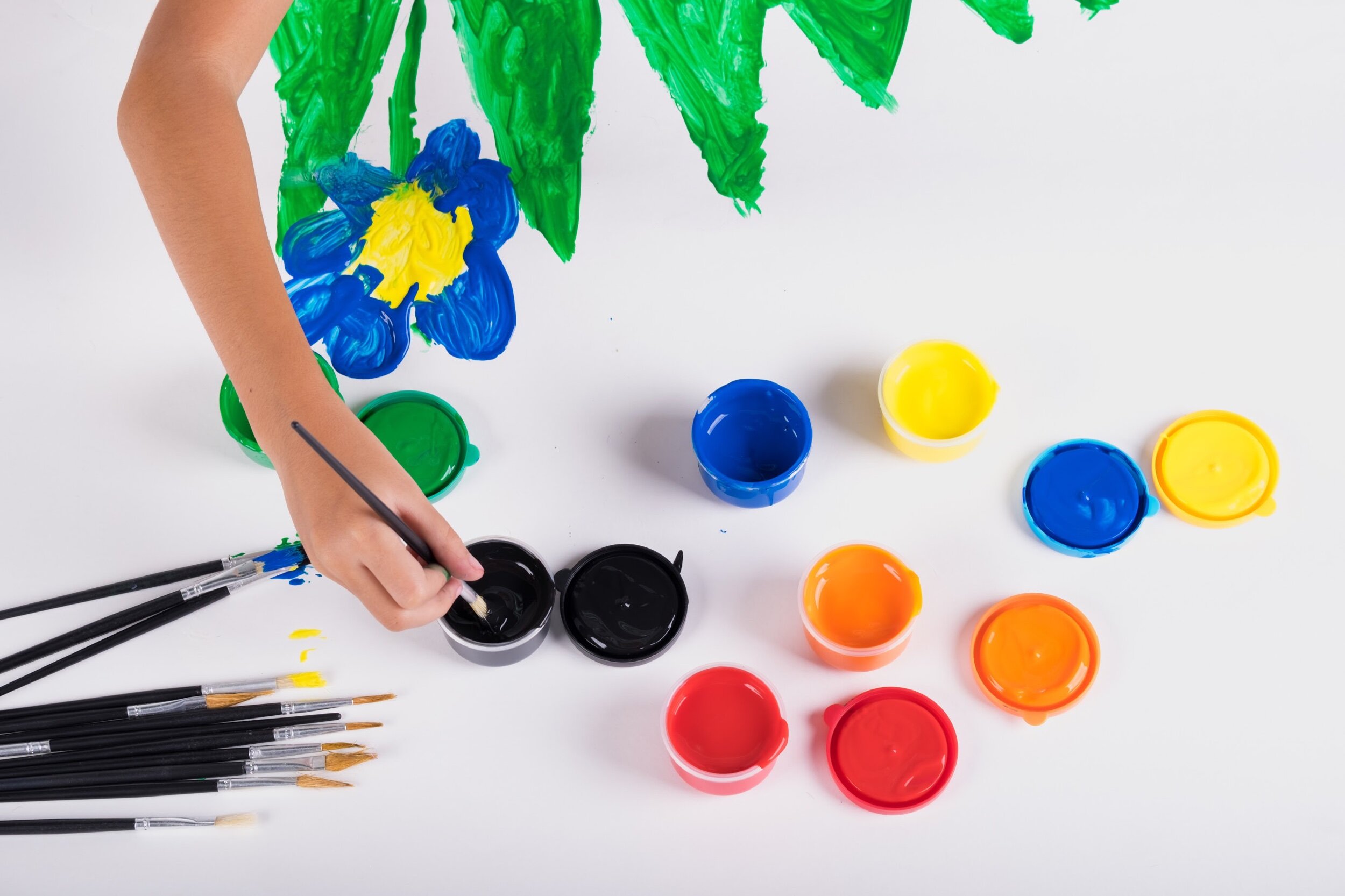
Art materials, paint, clay, drawing, and crafts allow children to express feelings that are hard to put into words. Creativity creates a safe distance from overwhelming emotions, supporting gentle emotional processing.
🏖️ Sand Tray & Small World Play
Using sand, figures, and miniature worlds, children can create scenes that reflect their inner experiences. This symbolic play can offer deep insight into thoughts and feelings that may not yet be consciously understood.
🎭 Role Play & Puppets
Through role play, dressing up, and puppets, children can explore relationships, experiences, and emotions safely. This often allows expression of things that feel too difficult to say directly.
🧸 Attachment & Nurture Play
Some children need opportunities to revisit earlier developmental stages through nurturing, sensory, or “baby” play. This supports regulation, attachment, and emotional security, helping to build a stronger internal sense of safety.
🎲 Games & Interaction
Structured games support turn-taking, communication, emotional regulation, and managing winning and losing — all within a safe, supported relationship.
🌈 Sensory & Regulation Tools
Movement, music, tactile play, and calming resources support children to regulate their bodies and emotions, particularly when they feel overwhelmed or dysregulated.
📖 Therapeutic Stories & Life Story Work
I draw from therapeutic storytelling and life story work, supporting children to gently make sense of their experiences as they are ready.
I hold and honour each child’s story alongside them — as one of their story keepers — helping them to develop a more coherent, compassionate understanding of themselves over time.
Every child’s story matters.
Sometimes children need a space that is just for them — a place where they can be fully themselves, without pressure, expectation, or judgement.